
Liver Detox: Ultimate Guide to Natural Liver Health
Hook: You track your macros, optimize your sleep, and hydrate meticulously. Yet, persistent fatigue, stubborn bloating, and afternoon brain fog still linger. The missing link isn’t another supplement—it’s hepatic optimization through a targeted liver detox.
Problem: In today’s high-stress, fast-paced environment, your body’s primary detoxification hub faces unprecedented load. Processed foods, environmental pollutants, and chronic cortisol spikes silently strain your metabolic pathways, turning what should be efficient filtration into a slow, congested bottleneck.
Promise: This guide cuts through the wellness noise. You’ll learn exactly how to support Phase I and II detoxification, implement a realistic 7 day liver detox, and choose the right liver detox foods without falling for dangerous trends. Backed by metabolic science and clinical best practices, this liver detox blueprint restores your vitality from the inside out.
What Is Liver Health?
Unlike passive organs, your liver is a dynamic metabolic command center. It converts food into usable energy, stores vital vitamins, produces bile for fat digestion, and manages blood sugar stability. When hepatic function operates efficiently, systemic inflammation drops, mitochondrial energy increases, and cognitive performance sharpens. True liver health isn’t about “flushing” waste; it’s about maintaining the cellular integrity required for continuous, high-volume biochemical processing. This is why a science-based liver detox approach always prioritizes nourishment over deprivation.
For deeper research on hepatic function, visit the National Institutes of Health (NIH) liver disease portal or review Mayo Clinic’s liver health guidelines.
Why Liver Health Matters (The Hidden Cost of Neglect)
Modern lifestyles silently compromise hepatic efficiency. When filtration pathways become overloaded, toxins recirculate, triggering oxidative stress and systemic inflammation. For health-conscious adults, this manifests as subtle but compounding performance deficits.
Common Symptoms of Compromised Hepatic Function
- Unexplained afternoon fatigue and mental fog
- Difficulty metabolizing dietary fats (bloating, heavy stool)
- Unexplained weight gain, particularly around the midsection
- Skin changes (acne, hyperpigmentation, or persistent dullness)
- Elevated baseline resting heart rate or poor sleep recovery
Primary Causes of Metabolic Overload
- Dietary Triggers: High fructose corn syrup, industrial seed oils (soybean, canola, sunflower), and ultra-processed carbohydrates.
- Environmental Load: Airborne particulate matter, household VOCs, and pesticide residues in non-organic produce.
- Lifestyle Factors: Chronic stress (elevated cortisol), sedentary routines, and inconsistent sleep architecture.
- Compound Exposure: Regular alcohol intake, certain OTC medications, and synthetic food additives.
Understanding these triggers is essential before starting any liver detox protocol. For more on environmental toxins, check the World Health Organization (WHO) resources on chemical safety.
Best Solutions & Strategies for Optimal Function
Reversing metabolic strain doesn’t require drastic deprivation. It requires strategic alignment with your body’s natural enzymatic rhythms.
Evidence-Based Methods
A structured liver detox focuses on two mechanisms: reducing the incoming toxic load and accelerating Phase II conjugation (the process that binds neutralized toxins for safe excretion). Intermittent fasting (14–16 hours) naturally upregulates autophagy and hepatic enzyme activity. Meanwhile, targeted hydration (3+ liters daily with electrolytes) supports bile viscosity, preventing stagnation. Research published in PubMed confirms that nutritional interventions significantly improve liver enzyme profiles within weeks.
Tools & Dietary Examples
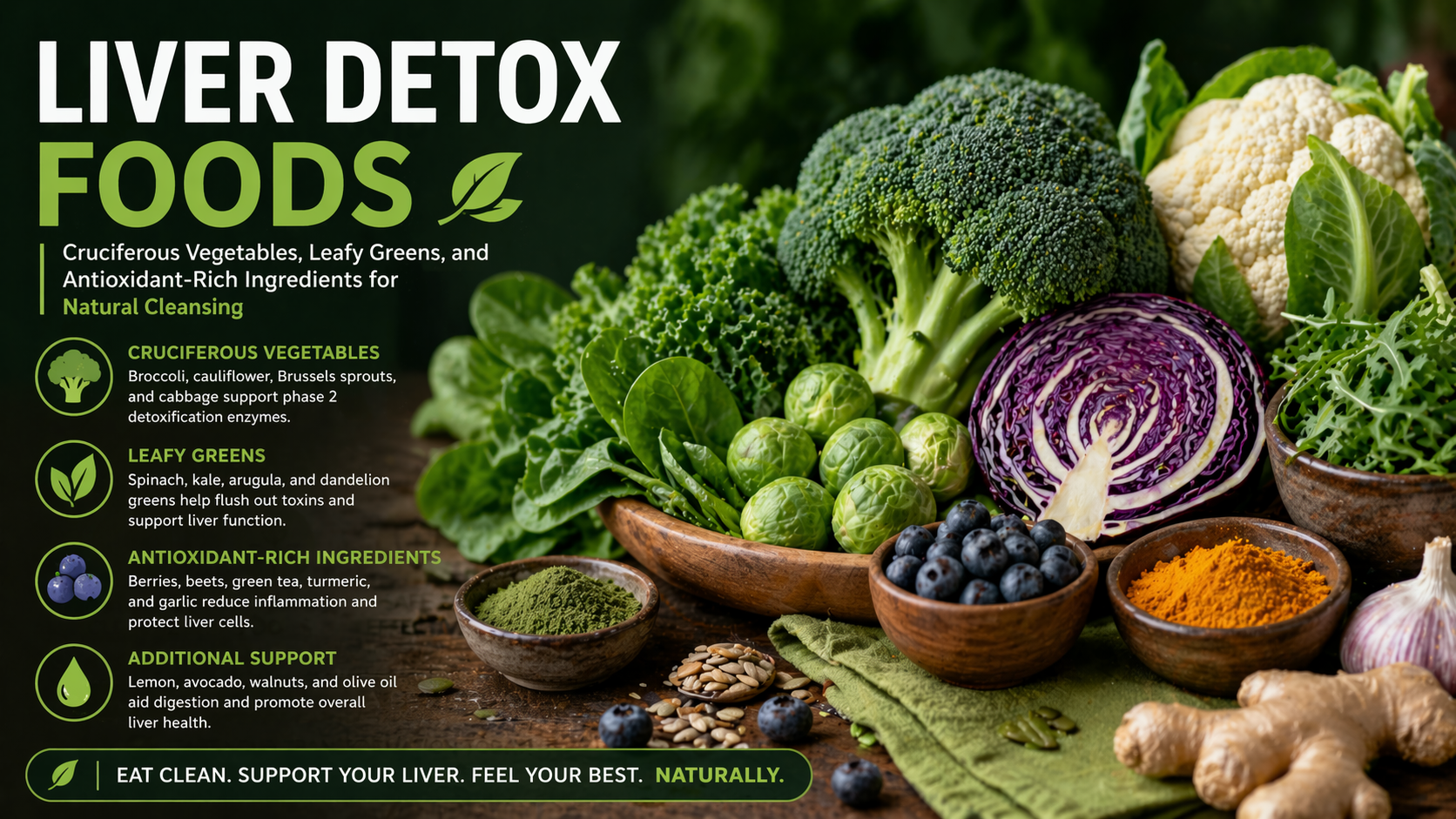
- Liver detox foods: Cruciferous vegetables (broccoli, Brussels sprouts, kale) contain sulforaphane, which activates Nrf2 pathways to boost glutathione synthesis.
- Bitter Compounds: Dandelion greens, artichoke, and milk thistle (silymarin) stimulate bile flow and protect hepatocytes from oxidative damage.
- Quality Proteins: Glycine-rich sources (collagen, bone broth) and sulfur-containing amino acids (eggs, legumes) provide the exact building blocks needed for Phase II conjugation.
- Hydration Protocols: Warm lemon water upon waking primes digestive enzymes and supports gentle hepatic flushing without aggressive laxatives.
Expert Tips for Sustainable Success
- Prioritize sleep before supplementation. Deep sleep (10 PM – 2 AM) is when peak hepatic repair and glycogen replenishment occur.
- Rotate your protein sources to avoid heavy metal accumulation from single-source seafood diets.
- Use organic, glass-packaged foods where possible to reduce endocrine-disrupting plasticizers (BPA/phthalates) that tax detox pathways.
- Pair antioxidant-rich foods with healthy fats to improve fat-soluble vitamin absorption (A, D, E, K).
For a complete nutrition framework, explore our comprehensive healthy eating guide or read our gut health essentials article to understand how liver function connects to your microbiome.
Step-by-Step: Implementing a 7 Day Liver Detox
In short: The most effective 7 day liver detox follows a progressive elimination-to-replenishment framework. Consistency beats intensity when performing a liver detox.
- Days 1–2: Elimination & Hydration Reset. Remove alcohol, refined sugars, gluten, and dairy. Drink 3 liters of water daily. Replace coffee with green tea or warm lemon water. Focus on light, easily digestible meals (soups, steamed vegetables, lean proteins). This phase jumpstarts your liver detox naturally.
- Days 3–4: Bile Activation & Fiber Loading. Introduce 2 servings of bitter greens daily. Add 1 tbsp of apple cider vinegar before meals to stimulate stomach acid. Consume 25–30g of fiber through chia, flax, and psyllium to bind excreted metabolites in the gut.
- Days 5–6: Glutathione Optimization. Prioritize sulfur-rich foods (garlic, onions, cruciferous veg). Incorporate 30 minutes of moderate cardio or brisk walking to stimulate lymphatic flow and sweat-mediated toxin clearance.
- Day 7: Integration & Transition. Reintroduce high-quality fats (avocado, olive oil, nuts) and whole-food carbohydrates. Monitor energy stability, digestion, and skin clarity. This day marks the shift from detox to long-term maintenance.
Proven Benefits of Hepatic Optimization
When hepatic pathways operate efficiently, systemic improvements compound rapidly:
- Stable Energy Curves: Improved glycogen storage and insulin sensitivity eliminate the post-meal crash, sustaining productivity through deep-work blocks.
- Enhanced Cognitive Clarity: Reduced neuroinflammation and optimized neurotransmitter metabolism sharpen focus and emotional regulation.
- Efficient Lipid Metabolism: Healthy bile production ensures fats are broken down and utilized rather than stored, supporting natural weight management.
- Resilient Immune Function: 70% of immune activity originates in the gut; optimized bile flow and reduced endotoxin load create a fortified microbiome environment.
Real-World Application: The Executive Reset
Instead of aggressive fasting, she implemented the 7-day liver detox framework alongside consistent sleep scheduling and elimination of processed seed oils. By day 14, her resting heart rate dropped by 6 bpm, digestive comfort returned, and she reported a measurable increase in morning mental clarity. At her 3-month check-in, liver enzymes normalized, and she maintained the core dietary protocols without feeling deprived. The protocol didn’t “fix” her overnight—it restored metabolic baseline function, proving that consistency outperforms extreme intervention.
Common Mistakes & Myths Debunked
Reality: Juices spike blood sugar and strip essential fiber. Without adequate protein, your liver lacks amino acids for Phase II conjugation, potentially increasing oxidative stress. A proper liver detox always includes balanced macronutrients.
Reality: The “stones” passed are saponified oil droplets created in the gut by the mixture, not actual gallstones. This practice can trigger dangerous bile duct spasms.
Reality: Most rely on senna or cascara sagrada, which act as stimulant laxatives. They deplete electrolytes, disrupt gut microbiota, and create dependency without supporting actual hepatic enzymatic pathways.
Frequently Asked Questions
A: For maintenance, a seasonal reset (every 3–4 months) aligns well with circadian and metabolic rhythms. If you experience high stress, travel frequently, or consume alcohol regularly, a shorter 3–5 day dietary reset monthly may be more appropriate. The key is consistency with your liver detox routine.
A: Cruciferous vegetables (broccoli sprouts, kale), garlic, beets, green tea, turmeric, and high-quality fatty fish. These liver detox foods provide sulforaphane, betaine, EGCG, curcumin, and omega-3s, which collectively upregulate detoxification enzymes and reduce hepatic inflammation.
A: Those with diagnosed hepatic, renal, or metabolic conditions should consult a physician before beginning any dietary reset. Extreme restriction or unverified supplements can interfere with medications and worsen underlying pathologies. Always personalize your liver detox approach.
A: Moderate cardiovascular movement and resistance training enhance lymphatic circulation, improve insulin sensitivity, and promote sweat-mediated excretion. However, intense training during a detox may elevate cortisol and temporarily slow Phase II pathways. Prioritize recovery-focused movement.
A: Clinical studies consistently show that moderate black coffee consumption (1–2 cups daily) supports hepatic function. Polyphenols and chlorogenic acid in coffee upregulate protective enzymes and correlate with reduced risk of fibrosis. Add minimal sugar or dairy to maximize benefits during your liver detox.
A: Track measurable markers rather than relying solely on “feelings.” Improved digestion, consistent morning energy, clearer skin, stable mood, and normalized lab markers (ALT, AST, GGT) over 3–6 weeks indicate successful hepatic optimization.
Conclusion: Build Metabolic Resilience From the Inside Out
Your liver doesn’t need aggressive “flushes” or restrictive deprivation. It needs consistent, nutrient-dense support, strategic elimination of inflammatory triggers, and respect for its natural biological rhythms. Implementing a structured liver detox isn’t a wellness fad—it’s foundational maintenance for long-term vitality.
Start by removing one processed trigger, increasing your cruciferous intake, and prioritizing 7.5 hours of sleep. Small, compounding adjustments will yield measurable improvements in energy, clarity, and overall metabolic resilience.
Ready to optimize your metabolic baseline and reclaim sustained energy?
Download the Free 7-Day Metabolic Reset GuideMedical Disclaimer: This article is for informational purposes only and does not constitute medical advice, diagnosis, or treatment. Always consult a qualified healthcare professional before making changes to your diet, exercise routine, or supplement regimen, especially if you have pre-existing health conditions or are taking medications.