
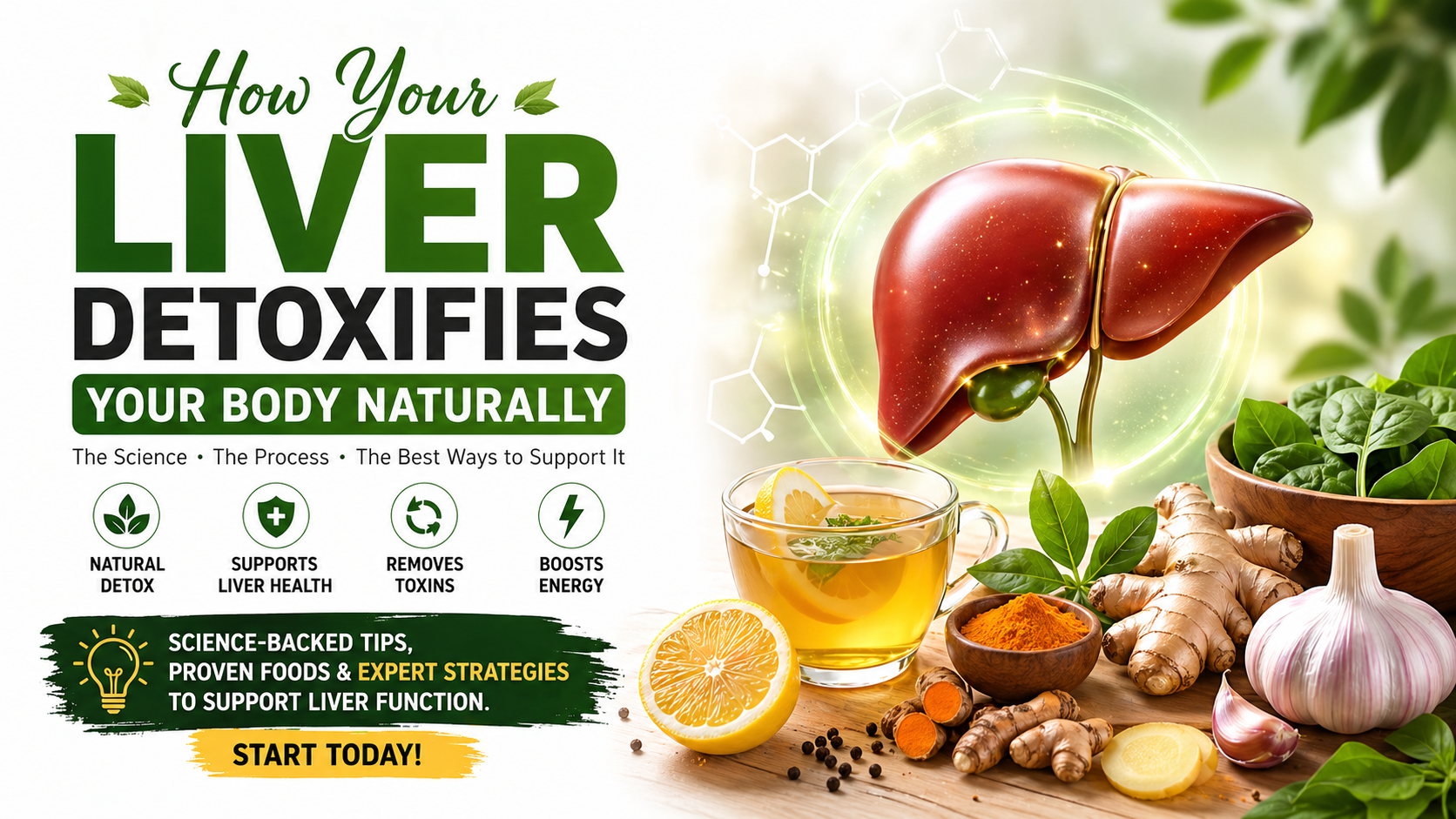
How the Liver Detoxifies Your Body
If you’ve ever felt sluggish after a weekend of heavy meals, experienced unexplained brain fog, or wondered why commercial “detox teas” never seem to work, you’re not alone. Millions of health-conscious adults search for answers every day, but most get sold quick fixes instead of real science. The truth? Your liver already knows exactly how to clean your bloodstream. It just needs the right biological environment to do its job efficiently. In this guide, we’ll break down the real detoxification process, separate myth from reality, and give you actionable, evidence-based strategies to optimize liver function naturally.
What Is Liver Detoxification?
Detoxification (often shortened to “detox”) isn’t a trend or a supplement brand. It’s a continuous, biological filtration system. Your liver processes everything you eat, drink, breathe, and absorb through your skin. When harmful substances enter your bloodstream, the liver steps in to neutralize and remove them before they damage your cells.
This process happens in two main stages:
- Phase I (Transformation): Cytochrome P450 enzymes break down toxins into intermediate compounds. Sometimes, these intermediates are temporarily more reactive, which is why Phase II is critical.
- Phase II (Conjugation): The liver binds these intermediates with nutrients like glutathione, glycine, and sulfate, turning them into water-soluble molecules that exit via urine or bile.
When either phase is overwhelmed or nutrient-deprived, toxins recirculate, leading to fatigue, skin issues, and metabolic slowdown. Understanding why the liver is the most important detox organ is the first step toward real, lasting health.
Why It Matters for Your Health
A sluggish liver doesn’t just affect digestion. It impacts energy production, hormone balance, immune response, and even cognitive clarity. Modern lifestyles bombard our livers with processed foods, environmental pollutants, medications, and chronic stress. When the detoxification process can’t keep pace, your body stores what it can’t process.
Common Symptoms of a Strained Liver
- Persistent fatigue or afternoon energy crashes
- Unexplained weight gain or difficulty losing fat
- Digestive discomfort, bloating, or irregular bowel movements
- Skin issues like acne, eczema, or unexplained rashes
- Brain fog, mood swings, or poor concentration
- Dark urine or pale stools
What Causes Liver Overload?
- High intake of ultra-processed foods, refined sugars, and trans fats
- Frequent alcohol consumption or medication overuse
- Exposure to pesticides, heavy metals, and household chemicals
- Chronic stress and poor sleep disrupting cortisol rhythms
- Inadequate hydration and fiber intake slowing elimination pathways
Best Solutions & Strategies to Support Your Liver
You don’t need extreme juice fasts or expensive supplement regimens. Real liver health comes from daily habits that align with human physiology. Here’s how to build a sustainable liver cleanse plan.
Evidence-Based Detox Methods
- Hydration + Electrolytes: Water is the primary vehicle for Phase II elimination. Adding a pinch of sea salt and lemon supports mineral balance without spiking insulin.
- Fiber-Rich Nutrition: Soluble fiber binds to bile (which carries processed toxins) and prevents reabsorption in the gut.
- Targeted Phytonutrients: Compounds like sulforaphane, curcumin, and allicin naturally upregulate liver enzymes without forcing unnatural pathways.
Tools & Daily Examples
- Liver detox foods: Garlic, turmeric, ginger, cruciferous vegetables (broccoli, kale), and citrus.
- Meal Timing: Allowing 12-hour fasting windows gives the liver time to process stored fats instead of constantly digesting incoming food.
- Supplemental Support: N-acetyl cysteine (NAC), milk thistle (silymarin), and alpha-lipoic acid, used under professional guidance.
👉 Start your 7-Day Reset Today – FREE
Join Our VIP Liver Detox ProgramExpert Tips for Long-Term Liver Health
- Prioritize protein at every meal. Amino acids like glycine and taurine are essential cofactors for conjugation.
- Reduce exposure to environmental endocrine disruptors (BPA, phthalates, synthetic fragrances).
- Move daily. Exercise improves insulin sensitivity and lymphatic drainage, accelerating toxin clearance.
- Sleep 7–8 hours. The liver follows a circadian rhythm; deep sleep optimizes Phase II activity.
- Follow a structured detox plan rather than random cleanses. A proven liver detox program provides measurable tracking and phased nutrition adjustments.
Step-by-Step Guide: How the Liver Detoxifies Your Body
Ready to align your daily routine with your biology? Follow this actionable framework:
- Morning (6–8 AM): Drink 16oz warm water with half a lemon. This stimulates bile production and gently wakes the digestive tract.
- Breakfast: Include 20–30g of complete protein + leafy greens. Example: Eggs with spinach and avocado.
- Midday (11 AM–1 PM): Consume a liver cleansing foods list staple like roasted Brussels sprouts, quinoa, and ginger tea.
- Afternoon (3 PM): Take a 15-minute walk. Light movement increases circulation to the hepatic portal vein.
- Dinner (6–8 PM): Light, easily digestible meal rich in cruciferous veggies and olive oil. Avoid heavy carbs 3 hours before bed.
- Evening Routine: Wind down without screens. Support melatonin production, which indirectly regulates liver antioxidant pathways.
- Consistency Check: Track energy, digestion, and skin clarity for 7 days. Adjust fiber and water intake based on results.
Real Benefits of Supporting Natural Detox
When you optimize liver function, the results extend far beyond “feeling cleaner.” Clinical research and real-world application show consistent patterns:
- Improved Metabolic Flexibility: Better blood sugar regulation and fat oxidation (Harvard Health)
- Clearer Skin & Reduced Inflammation: Toxin recirculation directly impacts sebum production and systemic inflammation (Mayo Clinic)
- Sharper Cognitive Performance: Lower ammonia and cytokine levels correlate with improved focus and mood stability (NIH Office of Dietary Supplements)
- Balanced Hormones: The liver metabolizes excess estrogen and cortisol. Proper clearance reduces bloating, PMS, and sleep disruption.
Evidence-based detox isn’t about restriction. It’s about upgrading your body’s existing filtration infrastructure.
Case Study: A Realistic Liver Reset Scenario
Background: Elena, 41, marketing director, reported chronic 3 PM fatigue, stubborn abdominal weight, and frequent headaches. She had tried multiple juice cleanses with temporary relief, followed by worse fatigue.
Intervention: Instead of extreme fasting, she followed a 7-day liver detox focused on protein pacing, targeted liver detox foods (garlic, turmeric, greens), and a 12-hour overnight eating window. She added daily 20-minute walks and increased water intake to 2.5 liters.
Results (Day 7):
- Energy stabilized throughout the day
- Digestive bloating reduced by ~60%
- Skin clarity improved (reduced forehead breakouts)
- Morning wakefulness returned without caffeine dependency
Elena’s outcome aligns with standard clinical observations: when the liver receives the right building blocks and reduced inflammatory load, natural detoxification resumes efficiently. For readers seeking a structured approach, our VIP Liver Detox Program provides daily tracking, meal templates, and progression metrics.
Common Mistakes & Myths About Liver Cleanses
The wellness industry profits from confusion. Let’s separate fact from fiction. The myth vs reality of “detox diets” reveals a simple truth:
| Myth | Reality |
|---|---|
| “You need detox teas to clean your liver.” | Most laxative-based teas force bowel movements without supporting enzymatic phases. They can actually deplete electrolytes and strain the kidneys. |
| “Juice fasting resets your body.” | Liquid diets lack protein, fiber, and fats essential for Phase II conjugation. Muscle loss and blood sugar crashes often follow. |
| “Supplements alone detox you.” | Pills can’t replace whole-food nutrients or fix poor sleep, hydration, or toxin exposure. They work best as supportive tools, not magic bullets. |
| “The liver needs a ‘break’ to work.” | The liver never stops working. It thrives on consistent nutrient input and circadian alignment, not starvation. |
FAQs About Liver Detoxification
Final Thoughts: Restore Your Body Naturally
Your liver is already engineered to protect you. It doesn’t need trendy cleanses or restrictive diets. It needs consistency, real nutrition, and respect for its biological rhythms. By understanding the real detoxification process and implementing small, daily upgrades, you’ll notice clearer thinking, steady energy, and a stronger foundation for long-term health.
👉 Discover the Secret to Real Detox
Restore Your Body Naturally