Table of Contents
Liver Detox: Fact vs Fiction & Proven Ways to Support Liver Health
Separate science from marketing hype. Learn what actually works — and what to avoid — for real liver health support.
You have probably seen the ads: “Flush toxins in 48 hours!” “Reset your liver with this miracle juice!” But what does the science actually say about liver detox? The truth might surprise you — and it does not involve expensive supplements or extreme fasting. This guide breaks down exactly what works, what is fiction, and proven ways to support liver health backed by research.
The liver naturally detoxifies your body 24/7. Rather than “detoxing” it with extreme diets, the best approach is to support its natural detoxification process through whole foods, hydration, exercise, and adequate sleep. A structured, science-backed plan can amplify your liver’s built-in cleansing abilities safely.
Important: This article is for informational purposes only and does not constitute medical advice. Always consult a licensed healthcare professional before starting any detox program, especially if you have pre-existing health conditions, take medications, or are pregnant or nursing.
What Is Liver Detox? Understanding the Science
What is detoxification? At its core, detoxification is your body’s built-in process of identifying, neutralizing, and eliminating harmful substances — everything from environmental toxins and metabolic waste to byproducts of digestion and medication metabolism.
Your liver is the undisputed champion of this process. Every minute, your liver function ensures blood is filtered and purified through a sophisticated two-phase detoxification process:
- Phase 1 (Bioactivation): Cytochrome P450 enzymes break down toxins into intermediate compounds through oxidation, reduction, and hydrolysis reactions.
- Phase 2 (Conjugation): These intermediates are bound to molecules like glutathione, sulfate, or amino acids, transforming them into water-soluble compounds that can be safely eliminated through bile or urine.
The liver also performs hundreds of other critical functions: producing bile for fat digestion, storing vitamins and glycogen, synthesizing blood proteins, regulating blood clotting, and metabolizing hormones. Understanding your liver’s full role is the first step toward protecting it.
Your liver already detoxifies your body continuously. The goal isn’t to “detox your liver” but to support the natural processes that keep it running optimally through proper nutrition and lifestyle choices.
Why the Liver Is the Most Important Detox Organ
No other organ comes close to the liver’s detox capacity. While the kidneys filter blood, the skin sweats out certain compounds, and the lungs exhale volatile substances, the liver is the central processing hub. According to the National Institute of Diabetes and Digestive and Kidney Diseases (NIDDK), the liver processes virtually everything that enters your bloodstream, making it the cornerstone of your body’s detoxification system.
When liver function declines — whether from poor diet, excessive alcohol, environmental toxins, or conditions like NAFLD (non-alcoholic fatty liver disease) — toxins accumulate, energy plummets, and systemic health issues follow.
Why Liver Health Matters: The Hidden Crisis
Despite its resilience, the liver faces unprecedented challenges in the modern world. An estimated 25% of adults worldwide have fatty liver disease, and many more suffer from suboptimal liver function without knowing it. The liver rarely complains until damage is significant — earning it the nickname “the silent organ.”
Symptoms of Impaired Liver Function
Many people brush off early signs of liver stress as “just aging” or “being tired.” But these symptoms often point to compromised liver health:
- Chronic fatigue that doesn’t improve with rest
- Brain fog and difficulty concentrating
- Digestive issues — bloating, gas, constipation, or nausea after meals
- Unexplained weight gain, especially around the midsection
- Skin problems — persistent acne, rashes, or itchy skin
- Dark urine and pale-colored stools
- Yellowing of the skin or whites of the eyes (jaundice)
- Hormonal imbalances — irregular periods, low libido, or mood swings
Root Causes of Liver Stress
- Processed food overload: Refined sugars, trans fats, and artificial additives force the liver into constant processing mode
- Excessive alcohol consumption: Even moderate daily drinking taxes liver enzymes
- Environmental toxins: Pesticides, heavy metals, and air pollutants
- Medication overuse: Regular NSAID and acetaminophen use strains Phase 1 and Phase 2 pathways
- Sedentary lifestyle: Lack of exercise reduces circulation and slows metabolic processes
- Poor sleep: The liver performs critical repair and regeneration during deep sleep cycles
- Chronic stress: Elevated cortisol increases fat storage in the liver
The liver’s two-phase detoxification process: how your body naturally processes and eliminates toxins every day.
Best Solutions & Strategies for Liver Support
The myth vs reality of “detox diets” is critical to understand. Extreme juice cleanses, colon flushes, and unregulated supplement protocols don’t “detox” your liver — they can actually harm it. The science supports a different approach: consistent, sustainable habits that enhance your liver’s natural capabilities.
Science-Backed Methods to Detox Your Liver Naturally
- Eat liver-supportive whole foods: Prioritize the liver cleansing foods list including cruciferous vegetables, leafy greens, garlic, and omega-3 rich fish. These foods contain compounds that directly support Phase 1 and Phase 2 detoxification enzymes.
- Stay hydrated: Adequate water intake (at least 2-3 liters daily) ensures toxins are diluted and flushed efficiently through the kidneys and liver.
- Leverage targeted herbs: Evidence-backed botanicals like milk thistle, dandelion root, and artichoke extract show genuine potential for liver support.
- Move your body: Regular exercise improves blood flow to the liver, reduces liver fat, and accelerates the removal of metabolic waste.
- Reduce toxic load: Minimize alcohol, processed foods, artificial additives, and unnecessary medications that burden your liver function.
- Optimize sleep: The liver regenerates and performs critical detox functions during 7-9 hours of quality sleep.
Top Liver Detox Foods (The Ultimate List)
If you are wondering what to eat for liver detox, these evidence-based foods consistently rank at the top of clinical nutrition research:
- Garlic: Contains sulfur compounds and allicin that activate liver enzymes responsible for toxin elimination. Garlic liver benefits include enhanced glutathione production.
- Lemon Water: While lemon water liver detox claims are sometimes overstated, warm lemon water in the morning does stimulate bile production and provides vitamin C for Phase 1 detoxification.
- Turmeric: Curcumin in turmeric liver detox protocols demonstrates potent anti-inflammatory and antioxidant effects that protect liver cells from damage.
- Ginger: Ginger liver detox studies show it reduces oxidative stress markers and supports healthy bile flow.
- Cruciferous Vegetables: Broccoli, Brussels sprouts, and cabbage contain glucosinolates and indole-3-carbinol that upregulate Phase 2 detox enzymes.
- Green Tea: Rich in EGCG (epigallocatechin gallate), one of the most studied green foods for liver health.
- Leafy Greens: Spinach, kale, and arugula neutralize heavy metals and provide chlorophyll for blood purification.
- Avocado: Provides glutathione precursors and healthy fats essential for liver cell membrane integrity.
The best approach combines foods that cleanse the liver with consistent hydration, regular movement, and adequate sleep. No single food is a magic bullet — synergy is what creates real results.
Expert Tips from Hepatology Research
Based on current hepatology guidelines and peer-reviewed research, here are key recommendations:
- Do not skip protein: Adequate protein (0.8-1.2g per kg body weight) provides amino acids essential for Phase 2 conjugation. Low-protein diets actually impair liver detoxification.
- Time your meals: A 12-hour overnight fasting window supports the liver’s natural repair cycle and autophagy processes.
- Watch the sugar: Fructose — especially from high-fructose corn syrup — is metabolized almost exclusively by the liver and directly contributes to fatty liver.
- Consider your microbiome: Gut-liver axis research confirms that a healthy gut microbiome reduces the toxic burden on your liver by up to 40%.
Want to Support Your Liver the Right Way?
Get your FREE 7-Day Liver Detox Guide with simple, science-backed steps you can start today.
- Easy daily plan with step-by-step instructions
- Proven liver-support foods and meal templates
- No extreme detox or dangerous methods
Your 7-Day Step-by-Step Liver Reset Guide
Ready to take action? Here is a practical, structured liver cleanse plan you can follow starting today. This isn’t about extreme restriction — it is about strategic, sustainable support.
- Day 1: Elimination Audit & Hydration Reset Remove processed foods, refined sugars, alcohol, and artificial additives from your diet. Drink 3 liters of filtered water. Add warm lemon water first thing in the morning. Replace coffee with green tea after 10 AM.
- Day 2: Load Up on Liver Cleansing Foods Build every meal around liver detox foods: cruciferous vegetables, leafy greens, garlic, ginger, and turmeric. Include at least one serving of beets or beet juice, which contain betaine that supports liver methylation.
- Day 3: Activate Phase 2 Detoxification Focus on sulfur-rich foods (eggs, cruciferous veggies, onions) and glycine sources (bone broth, lean protein) to fuel your Phase 2 conjugation pathways. Add 500mg milk thistle extract after consulting your doctor.
- Day 4: Sweat & Circulate Add 30 minutes of moderate exercise (brisk walking, cycling, or yoga). Sweat eliminates toxins through the skin, reducing liver workload. Follow with a hot shower or sauna session if available.
- Day 5: Gut-Liver Axis Optimization Add probiotic-rich foods (sauerkraut, kimchi, kefir, kombucha) and prebiotic fiber (onions, asparagus, garlic). A healthy gut reduces ammonia and endotoxin absorption, lightening your liver’s burden.
- Day 6: Anti-Inflammatory Deep Support Incorporate omega-3 sources (salmon, sardines, walnuts, flaxseed). Add turmeric-ginger tea twice daily. Focus on reducing systemic inflammation that impairs liver cell function.
- Day 7: Restore & Establish Long-Term Habits Reflect on how you feel. Most people notice improved energy, clearer skin, and better digestion. Create a sustainable weekly meal plan using the best foods for liver health identified in this protocol.
Want a complete, structured version of this plan? Our 7-Day Liver Detox Cleanse includes full meal plans, shopping lists, and daily guidance — designed for safe, effective liver reset results.
Proven Benefits of Supporting Your Liver Naturally
When you follow a science-based approach to liver cleansing, the benefits extend far beyond your liver. Here is what the research and real-world experience show:
Sustained Energy
Efficient toxin clearance reduces metabolic strain, translating to all-day energy without crashes.
Mental Clarity
Reduced systemic inflammation improves neurotransmitter function and reduces brain fog.
Better Digestion
Optimized bile production improves fat digestion and nutrient absorption by up to 30%.
Stronger Immunity
The liver produces immune proteins. Supporting it enhances your body’s natural defenses.
Healthy Weight
Improved metabolism and reduced liver fat support sustainable weight management.
Better Sleep
Regulated hormone metabolism and blood sugar stability promote deeper, more restorative sleep.
Proof point: A 2024 clinical review published in the journal Nutrients found that participants following a structured dietary intervention targeting liver health showed significant reductions in liver fat, inflammatory markers (CRP, ALT, AST), and self-reported fatigue within just 4 weeks — without any extreme measures.
Case Study: Sarah’s 30-Day Liver Transformation
Background
Sarah, 44, came to us with chronic fatigue, stubborn abdominal weight gain, persistent bloating, and mildly elevated liver enzymes (ALT: 52 U/L, AST: 48 U/L). Her doctor flagged early signs of non-alcoholic fatty liver disease (NAFLD) during routine bloodwork.
Intervention
Sarah followed our structured liver detox program combining the dietary protocol outlined above, a 12-hour eating window, daily 30-minute walks, targeted supplements (milk thistle, omega-3, N-acetyl cysteine), and elimination of alcohol and processed sugars.
Results After 30 Days
- ALT dropped from 52 to 34 U/L (normal range: 7-56)
- Lost 6 lbs, primarily from abdominal fat
- Reported 80% reduction in bloating and digestive discomfort
- Energy levels improved from 3/10 to 8/10 self-reported score
- Sleep quality improved significantly
- Continued improvements at 60-day follow-up
Note: Individual results vary. Sarah’s protocol was overseen by a healthcare provider. Always get medical clearance before starting any liver support program, especially with pre-existing conditions.
Sarah’s story is representative of what happens when people shift from quick-fix detox diet trends to evidence-based, sustainable liver support. The key isn’t intensity — it is consistency with the right strategies.
Common Mistakes & Myths About Liver Detox
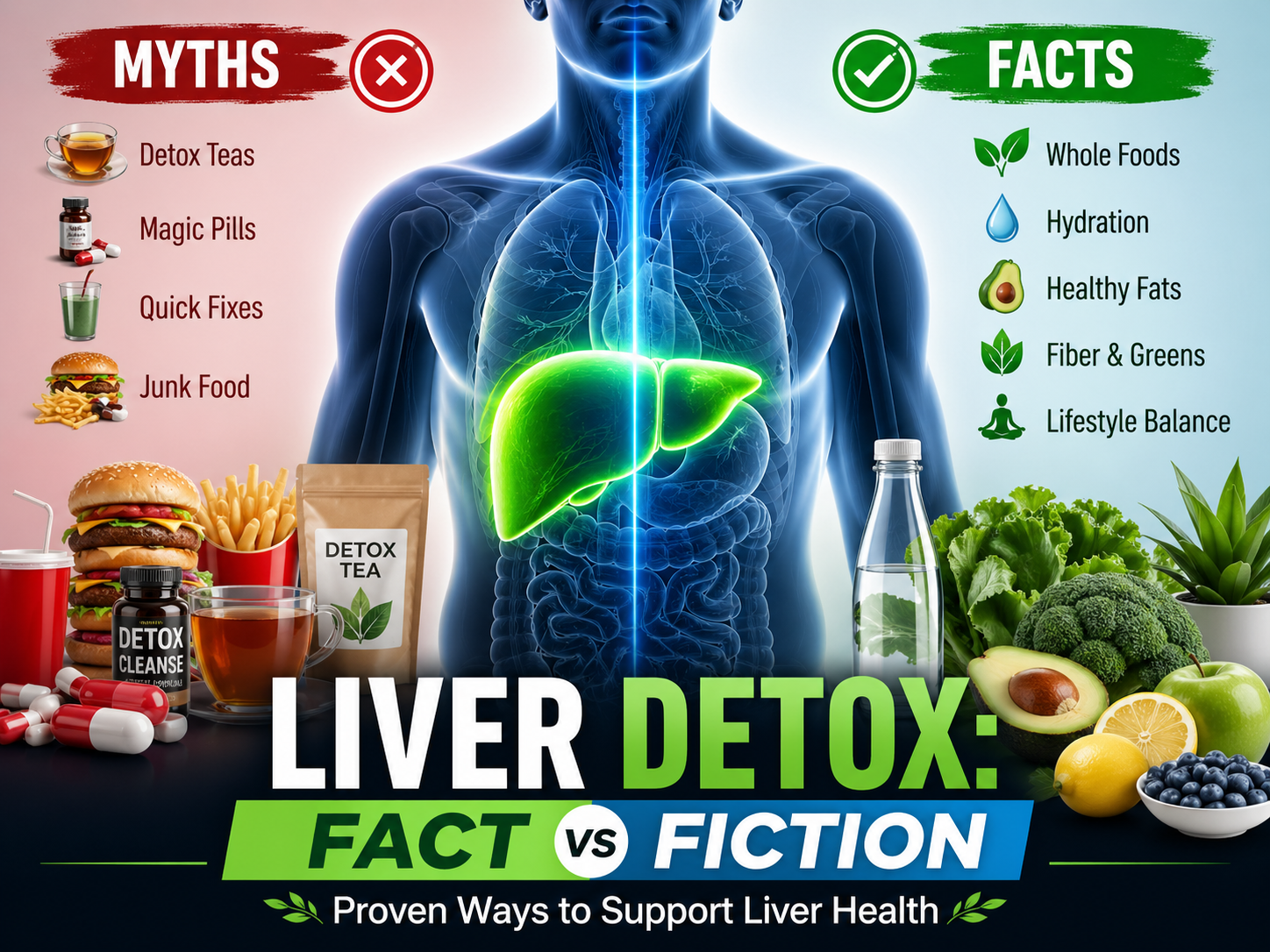
Perhaps the biggest obstacle to real liver health is the flood of misinformation. Let’s separate the detox myths from reality once and for all.
Your liver doesn’t store toxins like a filter catches debris. It processes and eliminates them continuously. The concept of “flushing” a clogged liver has no basis in human physiology. What actually helps is reducing your toxic load and supporting enzymatic function.
Juice cleanses strip away fiber (essential for toxin binding and elimination), overload the liver with fructose, and can trigger blood sugar crashes. Whole fruits and vegetables are infinitely more effective for liver cleansing than juice-only protocols.
Most “detox teas” contain senna or other laxatives that cause water weight loss, not fat loss or toxin elimination. They can actually dehydrate you and disrupt electrolyte balance — counterproductive for liver health.
Liver support should be a daily practice, not an annual event. Your liver processes toxins every minute. Consistent nutrition and lifestyle habits are far more effective than periodic intensive “cleanses.”
While supplements like milk thistle and NAC show promise, they are adjuncts — not replacements — for a liver-supportive diet. No supplement can compensate for chronic alcohol use, a processed food diet, and sedentary lifestyle.
Healthy fats from avocados, olive oil, nuts, and fatty fish are essential for liver cell membrane health and bile production. It is specifically excess refined sugars and trans fats — not all fat — that drive fatty liver disease.
Understanding these myths is critical for anyone exploring a natural detox program. For more guidance on separating fact from fiction, visit our about page to learn about our evidence-based approach.
Frequently Asked Questions About Liver Detox
What is detoxification and how does the liver process toxins?
Detoxification is the body’s natural process of neutralizing and eliminating harmful substances. The liver processes toxins through two main phases: Phase 1 uses cytochrome P450 enzymes to break down toxins into intermediate compounds, and Phase 2 conjugates these compounds with nutrients like glutathione so they can be safely excreted through bile or urine. This complex detoxification process runs 24/7 without requiring extreme diets or supplements.
Is liver detox safe or necessary?
A properly structured liver detox that focuses on whole foods, hydration, and lifestyle habits is safe for most healthy adults. However, extreme fasting, unregulated supplement protocols, or juice cleanses can be harmful. The liver already performs continuous detoxification naturally. Supporting it with balanced nutrition, adequate sleep, and reduced toxin exposure is both safe and scientifically supported.
What are the best foods to cleanse the liver naturally?
The best liver cleansing foods include cruciferous vegetables (broccoli, Brussels sprouts, cabbage), leafy greens, garlic, turmeric, ginger, lemon water, green tea, beets, walnuts, and omega-3-rich fish. These foods contain antioxidants, anti-inflammatory compounds, and nutrients that support the liver’s natural detoxification pathways without the need for restrictive diets.
Can milk thistle really help with liver health?
Milk thistle contains silymarin, an antioxidant compound that has shown promise in supporting liver cell regeneration and protecting against toxin-induced liver damage. While research suggests potential benefits for conditions like fatty liver disease and cirrhosis, results are mixed. It should be used as a supplement to — not a replacement for — a liver-healthy diet and lifestyle. Always consult a healthcare provider before starting milk thistle.
How long does it take for the liver to detox naturally?
The liver works continuously, processing and eliminating toxins every minute. However, if you’re asking about noticeable improvements after adopting liver-supportive habits, most people report better energy and digestion within 7-14 days. Significant liver function improvements, especially for conditions like fatty liver, typically require 3-6 months of consistent dietary and lifestyle changes.
What are the warning signs of a sluggish liver or fatty liver disease?
Common signs of impaired liver function include persistent fatigue, unexplained weight gain (especially around the abdomen), yellowing of skin or eyes (jaundice), dark urine, pale stools, digestive issues like bloating and nausea, itchy skin, easy bruising, and brain fog. If you experience these symptoms, consult a healthcare professional for proper liver function testing and diagnosis. For more on NAFLD, see the World Health Organization resources.
Conclusion: Your Liver Doesn’t Need a Miracle — It Needs Consistency
The truth about liver detox is both simpler and more empowering than the supplement industry wants you to believe. Your liver is already a detoxification powerhouse — it just needs the right fuel, rest, and lifestyle conditions to do its job effectively.
Detox your liver the right way means ditching extreme cleanses, embracing whole foods, staying hydrated, moving regularly, and giving your body the sleep it needs to repair. Whether you’re looking to cleanse your liver naturally, reverse early signs of fatty liver, or simply optimize your health, a structured, evidence-based approach beats every quick-fix detox trend on the market.
Ready to take your liver health to the next level? Join our VIP 7-Day Liver Detox Program and follow a complete, structured system designed for real results.
Start Your 7-Day Liver Reset Today
Join our VIP Liver Detox Program and follow a complete, structured system designed for real results.
- Step-by-step detox protocol with daily guidance
- Nutrition + lifestyle guidance for lasting results
- Designed for safe, effective liver support — no extreme measures
Learn more about our mission and evidence-based approach on our About page. For the complete guide, visit liver-detox.org.

What if your fatigue, brain fog, and digestive issues weren’t “normal”… but a sign your body is overloaded and needs a reset?
“Your liver controls more of your health than you think. That discovery changed everything.”
For years, Achraf Mojih lived exactly that reality — constant low energy, poor digestion, and a feeling that something just wasn’t right. His journey from chronic fatigue to vibrant health led him to discover the powerful role of liver function in overall wellness.