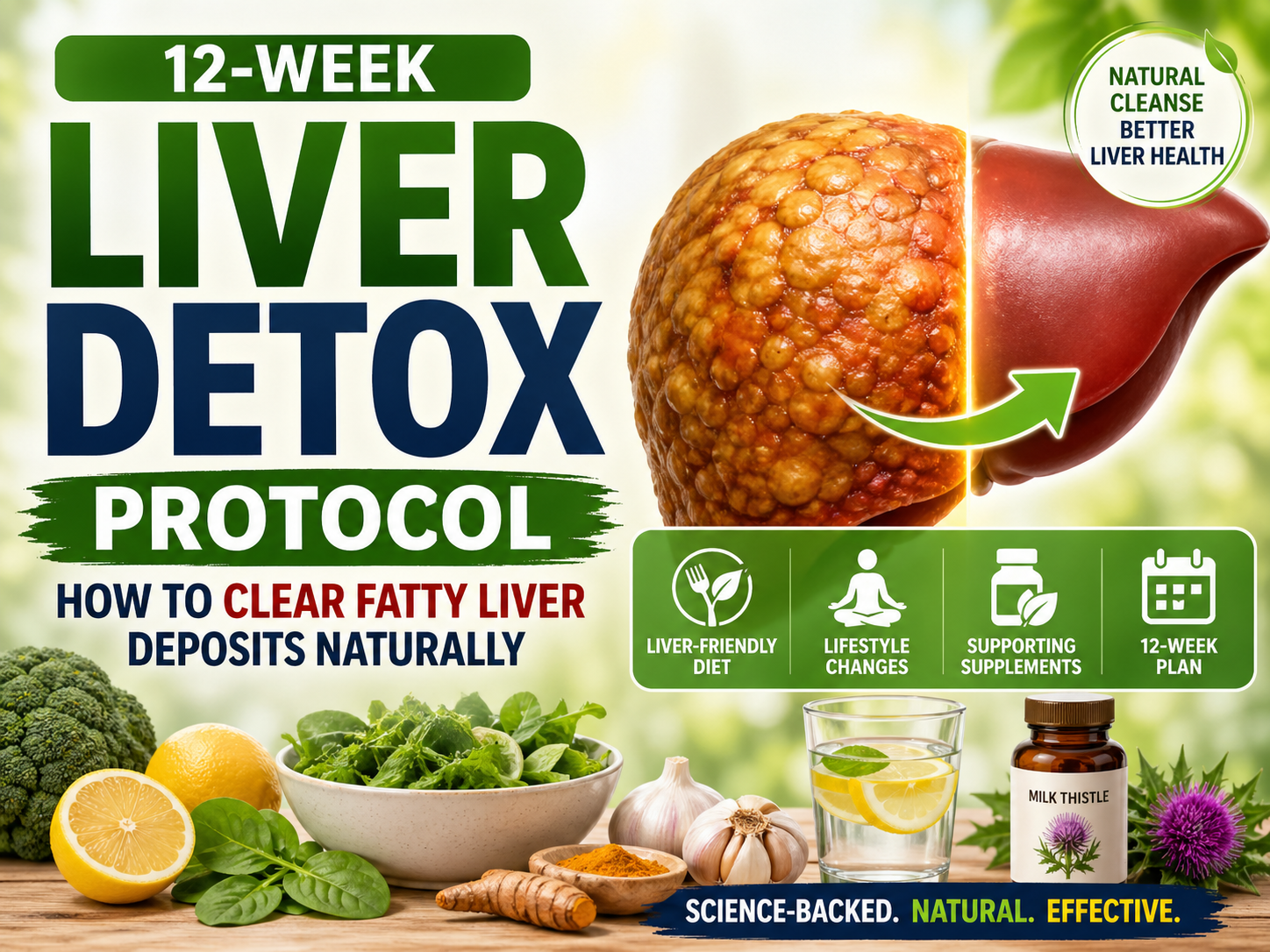
Liver Detox Protocol: How to Clear Fatty Liver Deposits Naturally
Hook: You don’t need expensive juice cleanses or miracle pills to support your liver. The body’s most powerful detox organ already knows what to do—it just needs the right fuel.
The Problem: Fatty liver disease now affects nearly 1 in 3 adults worldwide. Silent symptoms like fatigue, brain fog, and stubborn belly fat often go unnoticed until inflammation sets in.
The Promise: This evidence-based 12-week liver detox protocol shows you exactly how to clear fatty liver deposits naturally through diet, movement, and targeted lifestyle shifts—without extreme fasting or risky supplements.
What Is Fatty Liver Disease?
Fatty liver, clinically known as Nonalcoholic Fatty Liver Disease (NAFLD) or the newer term Metabolic Dysfunction-Associated Steatotic Liver Disease (MASLD), occurs when excess fat accumulates in liver cells. While the liver naturally stores some fat, levels exceeding 5–10% of liver weight indicate steatosis. Left unchecked, this can progress to steatohepatitis (NASH), fibrosis, and even cirrhosis.
Unlike viral hepatitis, MASLD is primarily driven by metabolic factors: insulin resistance, visceral fat, high sugar intake, and sedentary habits. The good news? The liver is remarkably regenerative. With the right protocol, early-stage fat deposits can be reversed.
Why It Matters: Symptoms & Causes
Common Symptoms & Warning Signs
- Persistent fatigue and low energy
- Discomfort or dull pain in the upper right abdomen
- Unexplained weight gain, especially around the midsection
- Elevated liver enzymes (ALT/AST) on routine blood tests
- Insulin resistance or prediabetes markers
Many people live with MASLD for years without obvious symptoms, which is why screening is crucial for at-risk individuals. For a deeper dive into early warning signs, read our guide on What is Fatty Liver Disease?
Primary Causes & Risk Factors
- Excess Fructose & Refined Carbs: Sugary drinks and processed foods overload hepatic de novo lipogenesis.
- Visceral Adiposity: Abdominal fat releases inflammatory cytokines directly into the portal vein.
- Sedentary Lifestyle: Lack of movement reduces insulin sensitivity and fat oxidation.
- Genetics & Gut Microbiome: Variants like PNPLA3 and dysbiosis can accelerate fat accumulation.
Best Solutions & Strategies to Reduce Liver Fat
There is no magic “flush” for fatty liver. Real results come from sustainable metabolic shifts. Below are the core pillars of an effective liver detox protocol.
1. Follow a Liver-Healthy Diet
A whole-food, plant-forward approach is your strongest lever. Focus on:
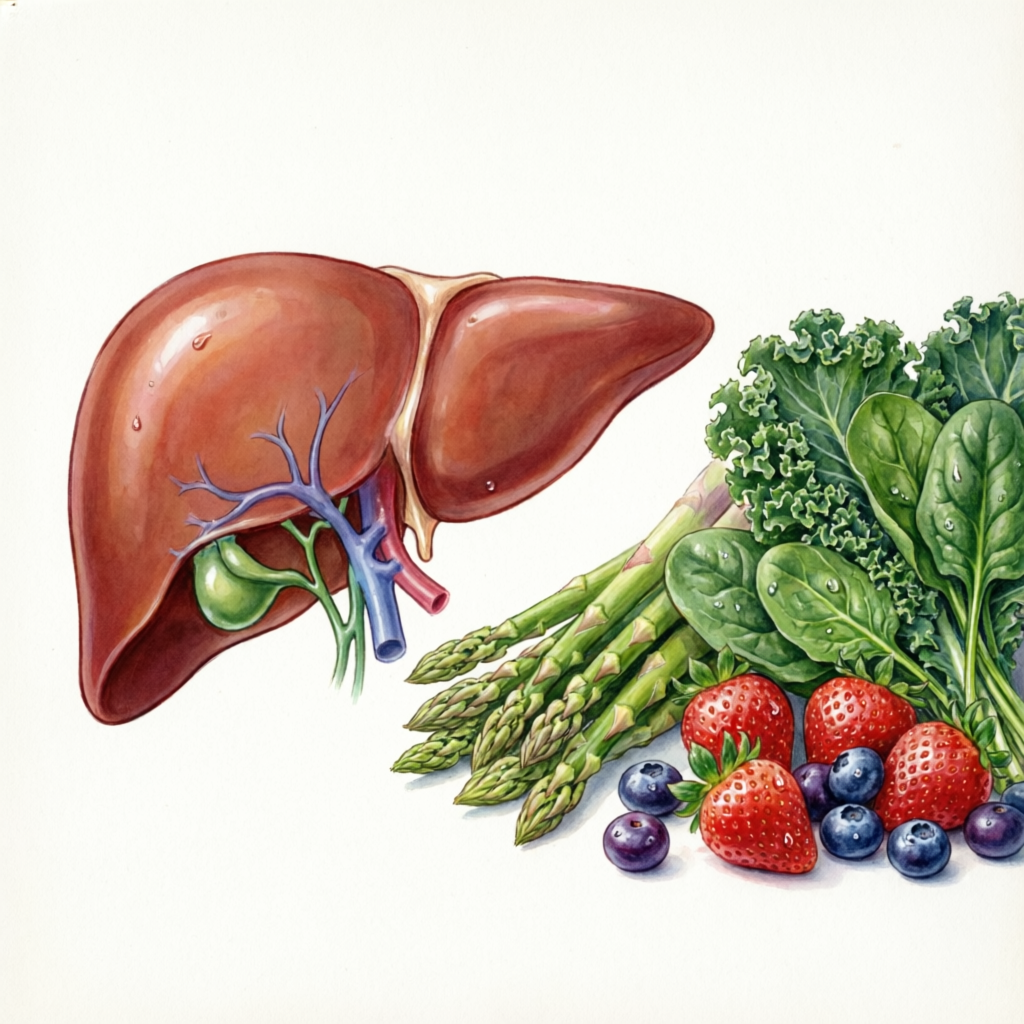
- Fiber-Rich Plants: Leafy greens, cruciferous vegetables, asparagus, and berries bind bile and support phase II detoxification.
- Healthy Fats: Extra virgin olive oil, avocados, nuts, and fatty fish (omega-3s) reduce hepatic inflammation.
- Lean Proteins: Legumes, poultry, and eggs provide choline, essential for VLDL transport and fat export.
- Antioxidant Beverages: Black coffee (2–3 cups/day) and unsweetened green tea are linked to lower liver stiffness.
Foods to Limit: Added sugars (especially high-fructose corn syrup), refined grains, trans fats, processed meats, and alcohol. Explore our 7-Day Liver Detox Cleanse for a structured meal template.
2. Create a Sustainable Calorie Deficit
You don’t need to starve. A moderate deficit of 300–500 kcal/day promotes steady fat loss. Research shows that losing 7–10% of body weight can significantly reduce liver fat and even resolve NASH in many patients. Pair portion awareness with mindful eating to avoid rebound hunger.
3. Exercise & Lifestyle Optimization
Movement acts as a direct metabolic signal to the liver:
- Aerobic Activity: 150+ minutes/week of brisk walking, cycling, or swimming improves insulin sensitivity.
- Resistance Training: 2–3 sessions/week builds muscle mass, your body’s largest glucose sink.
- Sleep & Stress: Poor sleep elevates cortisol, which drives visceral fat storage. Aim for 7–8 hours of quality rest.
For targeted routines, see Exercise for Heart and Liver.
4. Helpful Supplements (Adjuncts, Not Cures)
Supplements should complement, not replace, foundational habits:
- Milk Thistle (Silymarin): May stabilize liver cell membranes and support enzyme balance.
- Curcumin: Potent anti-inflammatory that may reduce hepatic steatosis markers.
- Vitamin E: Shown in trials to improve histology in non-diabetic NASH (use under medical supervision).
Always verify supplement quality and interactions. Read our Milk Thistle Supplement Guide for dosage and safety tips.
Step-by-Step: 12-Week Liver Detox Protocol
Follow this phased timeline to build habits without burnout:
Phase I (Weeks 1–4): Foundation
- Eliminate sugary drinks and refined carbs
- Switch to Mediterranean-style meals
- Start 30-min daily walks
- Hydrate with 2L water + herbal tea
Phase II (Weeks 5–8): Optimization
- Add resistance training 2x/week
- Introduce liver-supportive supplements (if approved by your doctor)
- Increase vegetable servings to 5–7/day
- Track sleep and stress markers
Phase III (Weeks 9–12): Consolidation
- Maintain calorie balance and exercise routine
- Schedule follow-up liver panel (ALT/AST) and ultrasound if advised
- Refine meal prep and batch cooking
- Plan long-term maintenance habits
Benefits of Clearing Fatty Liver Naturally
- Improved Energy: Better mitochondrial function and stable blood sugar reduce afternoon crashes.
- Metabolic Reset: Lower triglycerides, improved HDL, and reduced insulin resistance.
- Reduced Inflammation: Decreased CRP and liver enzyme levels signal tissue recovery.
- Longevity: Reversing early steatosis significantly lowers cardiovascular and hepatic risks.
Clinical data confirms that lifestyle intervention remains the gold standard. For comprehensive treatment pathways, review Non-Alcoholic Fatty Liver Disease (NAFLD) Treatment Options.
Realistic Case Study
Profile: Mark, 48, office worker, BMI 29, diagnosed with mild MASLD during routine screening.
Intervention: Mark followed the 12-week protocol. He replaced breakfast pastries with Greek yogurt and berries, walked 45 minutes daily, and cut soda entirely. He added omega-3s and tracked meals via a simple app.
Results at Week 12: Lost 14 lbs (7% body weight), ALT dropped from 68 to 32 U/L, ultrasound showed reduced hepatic echogenicity. He reported better sleep, clearer focus, and no mid-afternoon fatigue.
Takeaway: Gradual, consistent changes yield measurable clinical improvements without extreme measures.
Common Mistakes & Myths
- Myth: “Juice cleanses flush toxins.” Fact: Juice lacks protein and fiber, spiking blood sugar and stressing the liver. The liver detoxifies via enzymatic pathways, not liquid fasting.
- Myth: “Supplements alone can reverse fatty liver.” Fact: No pill replaces diet and movement. Supplements are adjuncts at best.
- Mistake: Cutting all fats. Fact: Healthy fats are essential for hormone balance and fat-soluble vitamin absorption.
- Mistake: Over-restricting calories. Fact: Crash diets can trigger rebound fat storage and gallstones. Aim for 0.5–1 lb/week loss.
For myth-busting insights, read The Truth About Liver Cleanses and Detoxes.
Frequently Asked Questions
It’s a condition where excess fat builds up in liver cells, often linked to obesity, insulin resistance, or poor diet. It can progress to inflammation and scarring if unmanaged.
Most people see measurable improvements in liver enzymes and fat content within 8–12 weeks of consistent diet and exercise changes. Lifelong maintenance is key.
No. Supplements like milk thistle or curcumin may support liver function but cannot replace foundational lifestyle changes. Always consult a healthcare provider.
Limit added sugars, refined carbs, fried foods, processed meats, and alcohol. Focus on whole plants, lean proteins, and healthy fats.
Yes. Moderate black coffee consumption is associated with lower liver fat, reduced fibrosis risk, and improved enzyme levels.
Aim for at least 150 minutes of moderate aerobic activity weekly, plus two days of strength training. Consistency matters more than intensity.
Ready to Support Your Liver Naturally?
This protocol is a starting point. For personalized guidance, meal templates, and progress tracking, download our free Liver Health Starter Kit or join our weekly newsletter.
Get Your Free Meal PlanShare this guide with friends or family who may benefit from a metabolic reset.

What if your fatigue, brain fog, and digestive issues weren’t “normal”… but a sign your body is overloaded and needs a reset?
“Your liver controls more of your health than you think. That discovery changed everything.”
For years, Achraf Mojih lived exactly that reality — constant low energy, poor digestion, and a feeling that something just wasn’t right. His journey from chronic fatigue to vibrant health led him to discover the powerful role of liver function in overall wellness.