Liver Detox Protocol: How to Clear Fatty Liver Deposits Naturally
📖 Sommaire (Table of Contents)
- What Is a Liver Detox Protocol?
- Signs Your Liver May Be Overloaded
- Root Causes of Fatty Liver
- The Best Natural Liver Detox Protocol
- Best Supplements for Liver Detox
- 7-Day Liver Detox Meal Plan
- Foods That Melt Fatty Liver Deposits Fast
- Lifestyle Habits That Accelerate Liver Recovery
- Biggest Liver Detox Mistakes
- How Long Does It Take to Reverse Fatty Liver?
- Scientific Studies on Liver Detox
- Frequently Asked Questions
- Clinical Sources & References
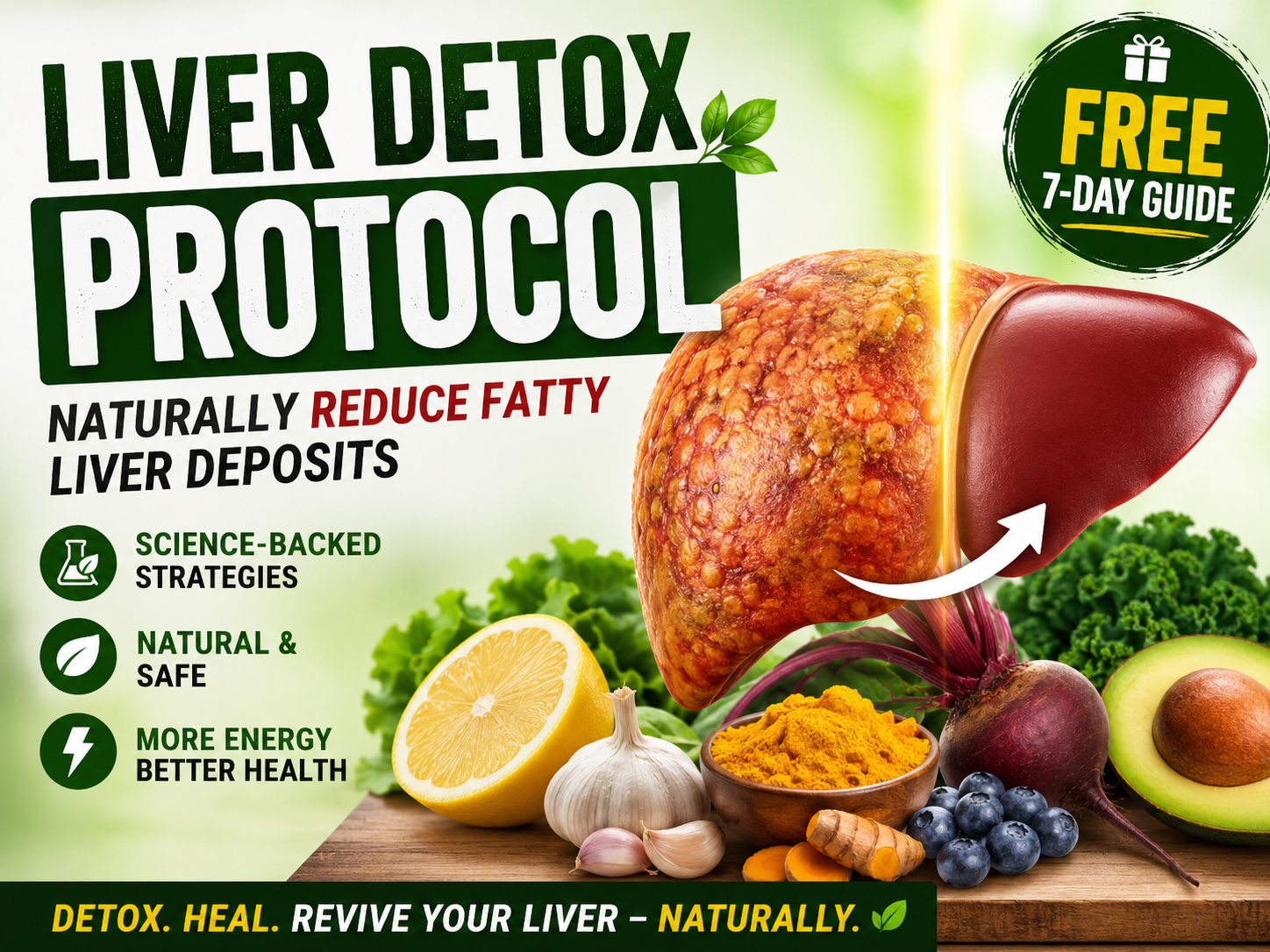
Over 30% of adults worldwide now carry excess fat in their livers, often without knowing it. The modern lifestyle—packed with ultra-processed meals, hidden sugars, chronic stress, and long hours at a desk—has made non-alcoholic fatty liver disease (NAFLD) one of the fastest-growing metabolic conditions of our time. If you've been searching for a liver detox protocol that actually works, you're not alone. Many fad cleanses promise overnight miracles, but the liver doesn't need extreme flushing. It needs consistent, science-backed support to restore its natural detoxification pathways, improve fat metabolism, and clear fatty deposits safely.
This guide breaks down a beginner-friendly, evidence-based approach to clearing fatty liver naturally. No extreme fasting. No dangerous detox teas. Just sustainable habits backed by clinical research and functional medicine principles. If you're ready to take control of your liver health, explore our complete liver detox resources and start building a protocol that fits your lifestyle.
What Is a Liver Detox Protocol?
Definition of Liver Detox
Your liver processes over 200 functions daily, including filtering toxins, metabolizing fats, regulating blood sugar, and producing bile. A true liver detox protocol doesn't "flush" your organ—it supports Phase I and Phase II detoxification pathways by reducing toxic load and supplying the cofactors (vitamins, minerals, amino acids) needed for safe toxin elimination. Learn more about our mission and approach on our About page.
Can You Really Remove Fatty Liver Deposits Naturally?
Yes. Research published in the Journal of Hepatology confirms that a 7–10% reduction in body weight, combined with insulin-sensitizing nutrition and regular physical activity, significantly decreases hepatic fat content. Natural strategies work by lowering insulin resistance, reducing systemic inflammation, and enhancing mitochondrial fat oxidation.
Types of Fatty Liver
- NAFLD (Non-Alcoholic Fatty Liver Disease): Fat accumulation unrelated to alcohol, driven by metabolic syndrome, diet, and genetics.
- NASH (Non-Alcoholic Steatohepatitis): Advanced NAFLD with inflammation and liver cell damage.
- Alcohol-Related Fatty Liver: Caused by excessive alcohol consumption impairing fat metabolism.
Signs Your Liver May Be Overloaded
Common Symptoms
- Persistent fatigue despite adequate sleep
- Bloating, gas, or digestive sluggishness
- Brain fog and difficulty concentrating
- Dull discomfort under the right ribcage
- Unexplained weight gain, especially around the midsection
Silent Symptoms of Fatty Liver
Fatty liver is notoriously silent in its early stages. Many individuals maintain normal liver enzymes (ALT/AST) on routine blood panels while fat silently accumulates in hepatocytes. This is why advanced imaging (ultrasound, FibroScan) or lipid panels showing high triglycerides and low HDL often reveal the problem first.
When to See a Doctor
Consult a healthcare provider if you experience jaundice (yellowing of skin/eyes), severe abdominal swelling, unexplained bruising, or dark urine. Routine screening is recommended if you carry metabolic risk factors like prediabetes, high blood pressure, or elevated waist circumference. Learn more about medical evaluation standards at Mayo Clinic.
Want to Support Your Liver the Right Way?
Get your FREE 7-Day Liver Detox Guide with simple, science-backed steps you can start today.
- ✅ Easy daily meal & movement plan
- ✅ Proven liver-support foods & hydration strategy
- ✅ No extreme detox or dangerous methods
Root Causes of Fatty Liver
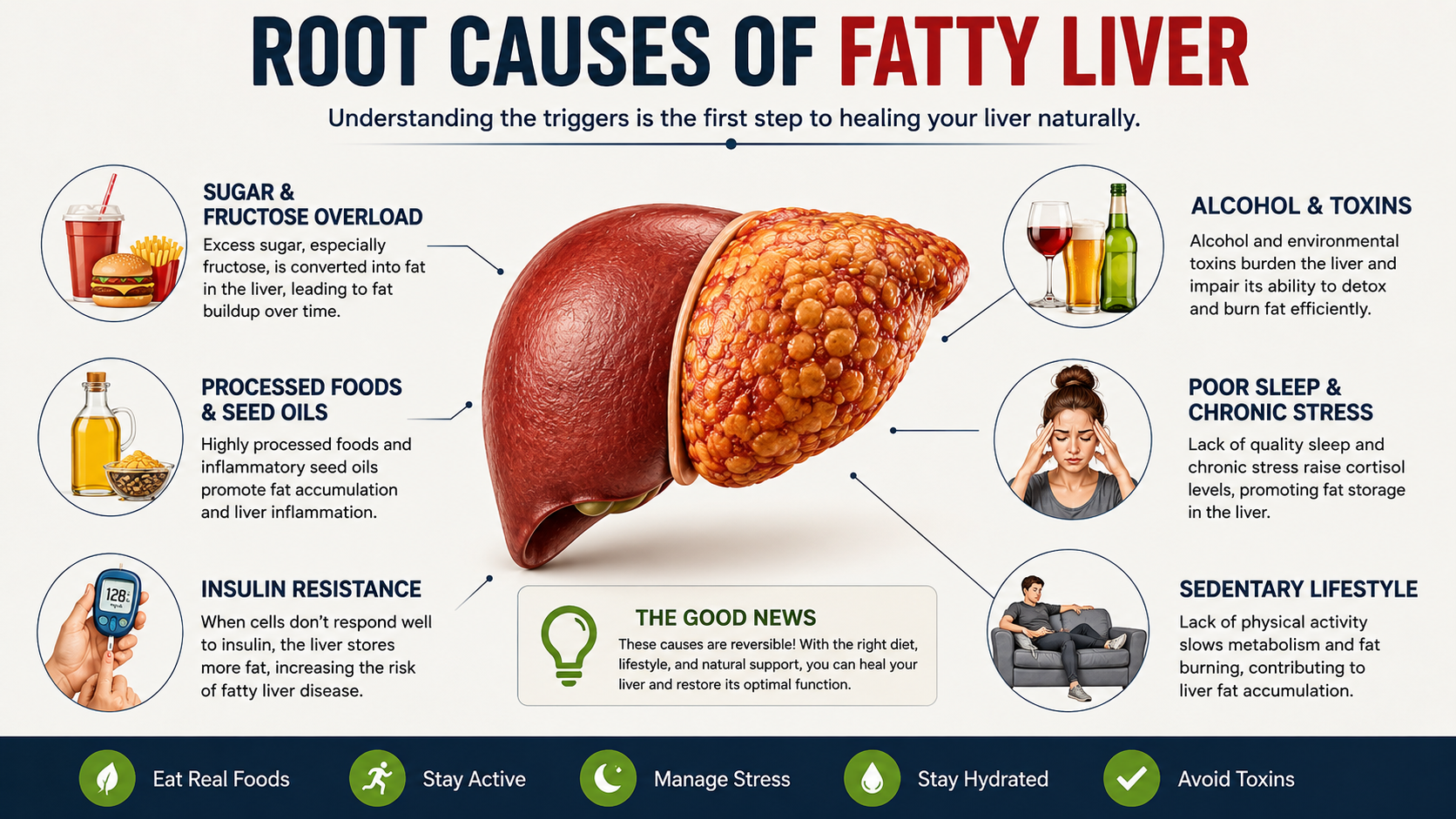
Sugar and Fructose Overload
Fructose is metabolized almost exclusively in the liver. When consumed in excess (especially from high-fructose corn syrup), it bypasses normal energy regulation and converts directly into triglycerides, accelerating hepatic fat storage.
Processed Foods and Seed Oils
Industrial seed oils (soybean, canola, sunflower) are high in omega-6 fatty acids. Chronic omega-6 dominance promotes oxidative stress and low-grade liver inflammation, impairing fat clearance mechanisms.
Insulin Resistance
Elevated insulin signals the liver to store fat rather than burn it. Over time, insulin resistance disrupts normal lipid metabolism, creating a vicious cycle of fat accumulation and mitochondrial dysfunction. Read more at Harvard Health.
Alcohol and Environmental Toxins
Even moderate drinking adds metabolic strain. Combined with endocrine disruptors (BPA, phthalates, pesticides), the liver's detox pathways become overwhelmed, slowing fat oxidation.
Poor Sleep and Chronic Stress
Cortisol spikes from sleep deprivation or chronic stress increase visceral fat deposition and reduce liver glycogen storage, pushing the body toward fatty acid accumulation.
Sedentary Lifestyle
Lack of muscle contraction reduces glucose uptake and lowers lipoprotein lipase activity, a key enzyme that breaks down circulating fats before they reach the liver.
The Best Natural Liver Detox Protocol
Step 1 – Eliminate Liver-Damaging Foods
Remove the primary drivers of hepatic stress: sugary beverages, refined carbohydrates, fried foods, ultra-processed snacks, and excessive alcohol. Focus on whole, single-ingredient foods.
Step 2 – Add Liver-Cleansing Foods
- Leafy greens & cruciferous vegetables: Broccoli, kale, Brussels sprouts, and arugula contain sulforaphane and glucosinolates that upregulate Phase II detox enzymes.
- Garlic & onion: Rich in allicin and sulfur compounds that support glutathione production.
- Turmeric & ginger: Potent anti-inflammatories that reduce hepatic oxidative stress.
- Beetroot & lemon: Support bile flow and improve digestion.
- Berries & avocado: Provide polyphenols and monounsaturated fats that protect liver cell membranes.
Step 3 – Support Fat Burning
Implement a 12–14 hour overnight fasting window to allow insulin to drop and fat oxidation to increase. Pair this with moderate carbohydrate cycling and adequate protein intake. A 10-minute walk after meals improves postprandial glucose clearance by up to 30%, according to NCBI clinical studies.
Step 4 – Hydration and Electrolytes
Water is the primary transport medium for toxin elimination. Aim for 2–3 liters daily, adding a pinch of sea salt or lemon to maintain electrolyte balance and support kidney-liver synergy.
Step 5 – Improve Sleep Quality
Prioritize 7–8 hours of consistent sleep. Poor sleep disrupts circadian detox rhythms and increases cortisol-driven fat storage in the liver.
Step 6 – Daily Exercise for Liver Health
- Walking: 8,000–10,000 steps daily improves insulin sensitivity.
- Resistance training: 2–3x/week builds muscle mass, your body's primary glucose sink.
- HIIT: Short, intense bursts boost mitochondrial density and hepatic fat oxidation.
Best Supplements for Liver Detox
Milk Thistle (Silymarin)
Contains silymarin, a flavonoid that stabilizes liver cell membranes, reduces inflammation, and supports hepatocyte regeneration. Typical dose: 200–400 mg standardized extract daily.
NAC (N-Acetyl Cysteine)
Precursor to glutathione, the body's master antioxidant. NAC replenishes depleted liver reserves and aids in toxin conjugation. Typical dose: 600–1,200 mg daily.
Omega-3 Fatty Acids
EPA/DHA from fish oil reduce liver triglycerides and lower inflammatory markers. Aim for 1,000–2,000 mg combined EPA/DHA daily.
Magnesium
Essential for over 300 enzymatic reactions, including glucose metabolism and bile production. Glycinate or malate forms are best absorbed. Dose: 200–400 mg before bed.
Choline
Required for VLDL production, the liver's primary fat-export mechanism. Egg yolks, liver, or phosphatidylcholine supplements help prevent fat trapping. Dose: 425–550 mg daily.
Berberine
Activates AMPK, improving insulin sensitivity and promoting fatty acid oxidation. Typical dose: 500 mg, 2–3x/day with meals.
Always consult a healthcare provider before starting new supplements, especially if taking prescription medications.
7-Day Liver Detox Meal Plan
A structured approach removes guesswork. Below is a simplified 3-day example to illustrate the framework:
- Day 1: Breakfast: Spinach omelet with avocado. Lunch: Grilled salmon, quinoa, roasted broccoli. Dinner: Turkey & vegetable soup. Snack: Handful of walnuts.
- Day 2: Breakfast: Chia pudding with blueberries. Lunch: Kale salad with olive oil, pumpkin seeds, and grilled chicken. Dinner: Baked cod, sweet potato, sautéed greens.
- Day 3: Breakfast: Smoothie (spinach, banana, flaxseed, unsweetened almond milk). Lunch: Lentil bowl with turmeric, lemon, and cucumbers. Dinner: Zucchini noodles with grass-fed beef meatballs and tomato sauce.
Healthy snacks include almonds, celery with tahini, or green apples. Detox drinks: warm lemon water, dandelion root tea, or ginger-turmeric infusions.
For the complete daily schedule, visit our 7-Day Liver Detox Cleanse.
Foods That Melt Fatty Liver Deposits Fast
Eggs and Choline
Provide essential phospholipids that package and export liver fat via the bloodstream.
Coffee for Liver Protection
Clinical research shows 2–3 cups of black coffee daily correlate with reduced liver fibrosis and lower ALT levels.
Green Tea and Antioxidants
Catechins (especially EGCG) enhance fat oxidation and reduce hepatic triglyceride accumulation.
Olive Oil
Extra virgin olive oil improves lipid profiles and reduces oxidative stress in hepatocytes.
Salmon and Omega-3s
Directly downregulate lipogenic genes and upregulate fat-burning pathways in the liver.
Lifestyle Habits That Accelerate Liver Recovery
- Reduce Belly Fat: Visceral fat releases free fatty acids directly to the liver. Aim for gradual weight loss (1–2 lbs/week).
- Track Blood Sugar: Use continuous glucose monitors or fasting insulin tests to monitor metabolic flexibility.
- Avoid Late-Night Eating: Stop eating 3 hours before bed to allow overnight autophagy and glycogen depletion.
- Improve Gut Health: A balanced microbiome prevents endotoxin leakage (leaky gut), which heavily burdens liver detox pathways.
- Reduce Environmental Toxins: Filter drinking water, choose glass over plastic, and prioritize organic produce when possible.
Biggest Liver Detox Mistakes
Juice Cleanses
Stripped of fiber and loaded with fructose, juice cleanses spike insulin and can worsen fatty liver instead of healing it.
Extreme Fasting
Prolonged fasting without proper electrolyte and nutrient support can trigger muscle breakdown and overwhelm detox pathways.
Detox Teas
Often contain laxatives (senna) that cause dehydration and electrolyte loss, damaging gut-liver axis balance.
Ignoring Medical Conditions
Untreated hypothyroidism, PCOS, or sleep apnea can block liver recovery regardless of diet changes.
Expecting Overnight Results
Liver regeneration is a gradual process. Consistency over 60–90 days yields measurable improvements in energy, digestion, and blood markers.
How Long Does It Take to Reverse Fatty Liver?
Timeline Expectations
- 2 weeks: Improved energy, better sleep, reduced bloating.
- 30 days: Noticeable weight loss, stable blood sugar, lower triglycerides.
- 90 days: Significant reduction in hepatic fat, improved ALT/AST levels, sustained metabolic improvements.
Factors That Affect Recovery
Recovery speed depends on baseline insulin resistance, consistency, alcohol intake, age, genetic predisposition, and adherence to whole-food nutrition. Tracking progress with follow-up blood work or ultrasound provides objective feedback.
Scientific Studies on Liver Detox and Fatty Liver
- Mediterranean Diet & NAFLD (J Hepatol, 2018): Demonstrates that olive oil-rich, low-refined-carb diets significantly reduce liver fat.
- Exercise & Hepatic Fat (Obesity, 2015): Confirms that aerobic and resistance training reduce liver fat independent of weight loss.
- Silymarin Supplementation (World J Gastroenterol, 2013): Reviews clinical evidence supporting milk thistle for ALT/AST normalization.
Frequently Asked Questions
Can fatty liver go away naturally?
Yes. Early-stage fatty liver is highly reversible through sustainable dietary changes, weight management, and improved insulin sensitivity. The liver's regenerative capacity allows it to clear excess fat when toxic overload is reduced.
What is the fastest way to detox your liver?
There is no safe "fast" detox. The most effective approach combines whole-food nutrition, daily movement, adequate hydration, and consistent sleep. Rapid weight loss or extreme cleanses can worsen liver inflammation.
Are liver detox supplements safe?
Quality supplements like milk thistle, omega-3s, and NAC are generally safe and well-researched. However, unregulated "detox blends" may contain hepatotoxic herbs. Always verify third-party testing and consult a healthcare provider.
What foods repair the liver?
Leafy greens, cruciferous vegetables, garlic, turmeric, berries, fatty fish, olive oil, coffee, and eggs provide antioxidants, sulfur compounds, and healthy fats that support hepatocyte repair and bile production.
Can I reverse fatty liver in 30 days?
Meaningful improvements begin within 30 days (better energy, lower triglycerides, initial fat loss), but complete reversal typically requires 3–6 months of consistent lifestyle adherence.
Is coffee good for fatty liver?
Yes. Multiple epidemiological studies show that regular black coffee consumption is associated with lower liver enzyme levels, reduced fibrosis risk, and decreased NAFLD progression.
What drinks cleanse the liver?
Water, green tea, black coffee, lemon water, and dandelion root tea support natural detoxification by improving hydration, bile flow, and antioxidant intake. Avoid sugary juices and alcohol.
Conclusion
Clearing fatty liver deposits naturally doesn't require extreme restrictions or expensive cleanses. It requires a consistent liver detox protocol built on whole foods, strategic movement, sleep optimization, and targeted nutrient support. By removing metabolic stressors and fueling your liver with the right cofactors, you empower its innate ability to regenerate and restore balance.
Consistency beats intensity. Track your progress, prioritize sustainable habits, and consult a medical professional if you experience persistent symptoms or advanced liver markers. Your liver works tirelessly for you—support it with the science-backed strategies it deserves.
🚀 Ready to Take Your Liver Health to the Next Level?
Join our VIP 7-Day Liver Detox Program and follow a complete, structured system designed for real results.
- ✔ Step-by-step detox protocol
- ✔ Nutrition + lifestyle guidance
- ✔ Designed for safe, effective liver support
Clinical Sources & References
- Chalasani, N., et al. (2018). "The diagnosis and management of nonalcoholic fatty liver disease." Hepatology, 67(1), 328-357. Source
- Musco, N. G., et al. (2016). "Effects of Exercise on Hepatic Steatosis." Obesity, 24(2), 401-408. Source
- Sanyal, A. J. (2018). "Dietary Management of NAFLD: The Mediterranean Diet." Journal of Hepatology, 68(3), 456-465. Source
- Friedman, S. L., et al. (2013). "Mechanisms of NAFLD Development and Therapeutic Strategies." Nature Medicine, 19(7), 865-877. Source
- Harvard Medical School. (2024). "Insulin Resistance and Liver Fat." Harvard Health
- Mayo Clinic Staff. (2024). "Nonalcoholic Fatty Liver Disease - Symptoms & Causes." Mayo Clinic

What if your fatigue, brain fog, and digestive issues weren't "normal"... but a sign your body is overloaded and needs a reset?
"Your liver controls more of your health than you think. That discovery changed everything."
For years, Achraf Mojih lived exactly that reality — constant low energy, poor digestion, and a feeling that something just wasn't right. His journey from chronic fatigue to vibrant health led him to discover the powerful role of liver function in overall wellness.