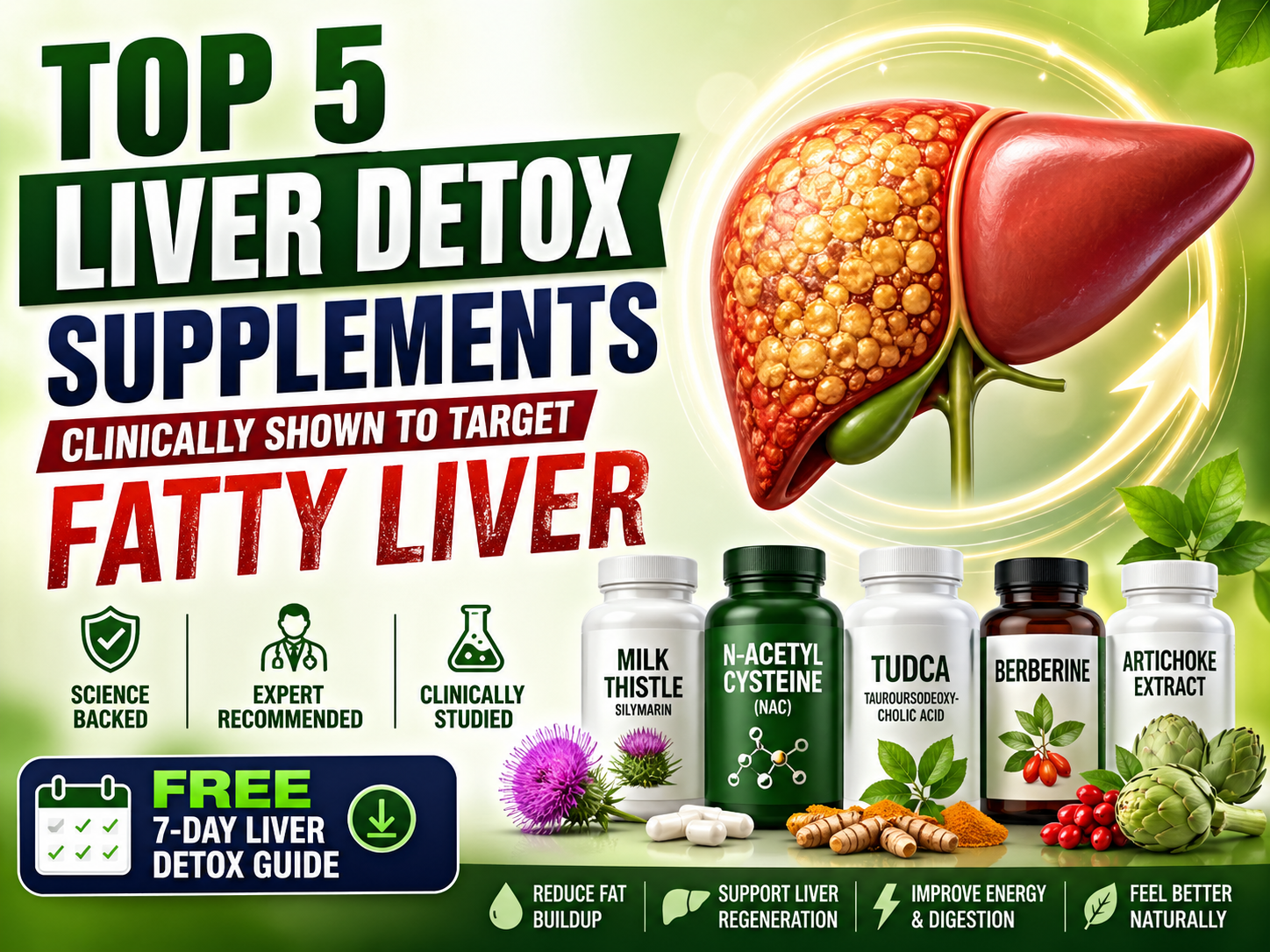
Liver Detox Supplements: Top 5 Ingredients to Help Fatty Liver
Nearly one in four adults worldwide lives with metabolic-associated steatotic liver disease, commonly known as fatty liver, often without any awareness. The liver silently accumulates excess triglycerides when overwhelmed by refined carbohydrates, fructose, and visceral fat. Left unchecked, this progression can lead to inflammation, fibrosis, and compromised detoxification pathways.
This evidence-based guide examines the top five clinically researched liver detox supplements that directly support fat metabolism, reduce hepatic inflammation, and protect liver cells. You will find exact dosages, safety considerations, and actionable strategies for integrating them into a sustainable health routine.
The most effective liver detox supplements for fatty liver are milk thistle (silymarin), curcumin, omega-3 fatty acids, vitamin E, and berberine. These compounds reduce oxidative stress, improve insulin sensitivity, and support natural fat oxidation. Clinical results are achieved when paired with a whole-food diet and five to ten percent body weight reduction.
What Are Liver Detox Supplements for Fatty Liver?
Liver detox supplements are naturally derived compounds that support hepatocytes in processing toxins, regulating lipid metabolism, and reducing inflammation. They do not flush the liver in a mechanical sense; rather, they upregulate Phase I and Phase II detoxification enzymes, stabilize cell membranes, and improve mitochondrial function.
For individuals with metabolic-associated steatotic liver disease, targeted nutrients can complement dietary modifications by lowering liver fat accumulation and normalizing liver enzymes such as ALT and AST. These supplements act as metabolic allies, optimizing the liver’s built-in detoxification pathways when lifestyle changes are already underway.
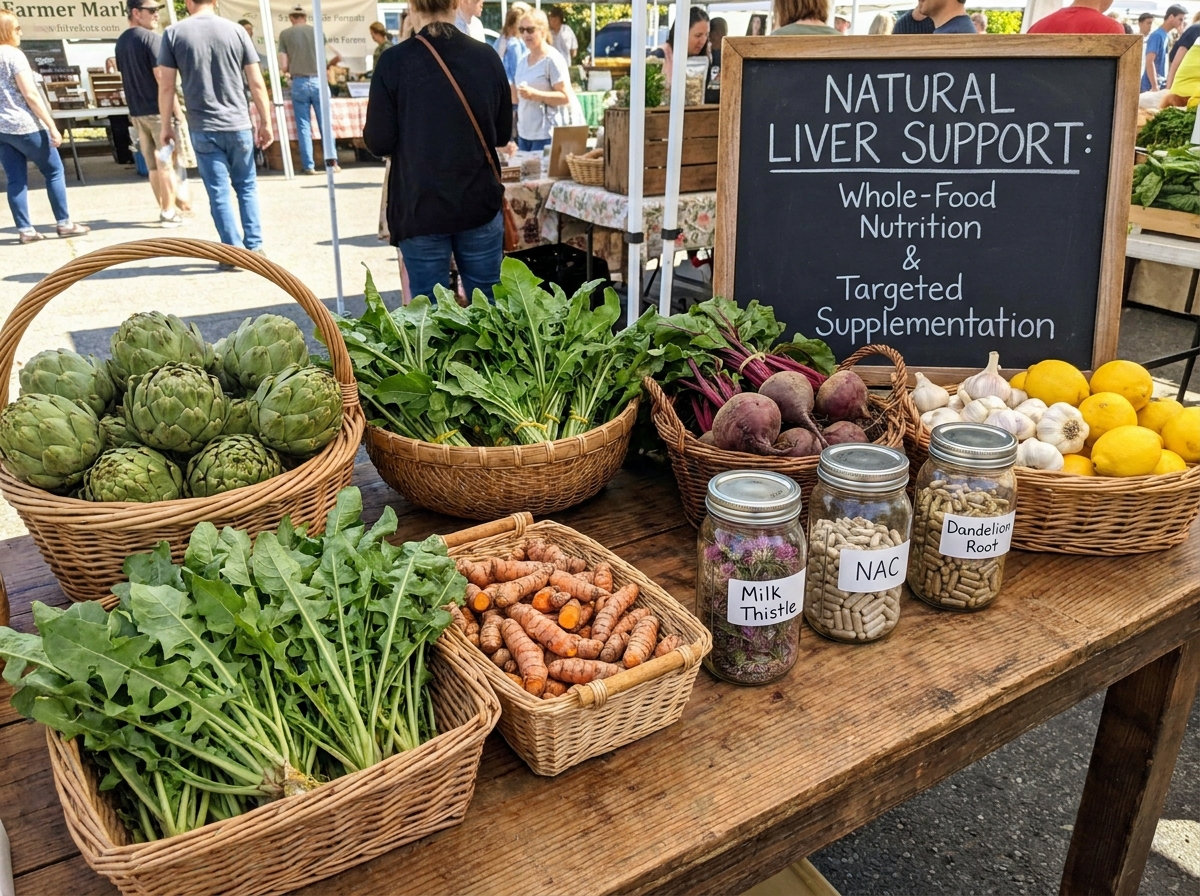
Why Fatty Liver Demands Your Attention
Fatty liver is not simply a dietary issue; it is a systemic metabolic signal. When triglycerides exceed five percent of liver weight, cellular stress begins. Early intervention prevents progression to steatohepatitis and cirrhosis.
Signs and Silent Progression
- Persistent fatigue or reduced clarity after meals
- Dull discomfort or fullness in the upper right abdomen
- Elevated ALT and AST levels on routine blood work
- Markers of insulin resistance including elevated fasting glucose, HbA1c, and triglycerides
Primary Causes and Risk Factors
- High consumption of fructose-sweetened beverages and ultra-processed foods
- Sedentary lifestyle and excess visceral adiposity
- Gut dysbiosis and increased intestinal permeability
- Genetic predisposition, including PNPLA3 gene variants
Best Solutions and Strategies for Liver Health
The following five ingredients have the strongest clinical backing for supporting individuals with fatty liver disease. Each is presented with mechanism of action, evidence level, and recommended dosage.
1Milk Thistle (Silymarin) – Liver Cell Protection
Mechanism: Silymarin is a flavonoid complex derived from the milk thistle plant. It stabilizes hepatocyte membranes, boosts glutathione production, and inhibits inflammatory cytokines that drive liver damage.
Evidence: Meta-analyses demonstrate consistent improvements in ALT and AST levels, along with reduced markers of liver inflammation. While direct evidence for fat reduction remains mixed, silymarin remains a cornerstone for liver cell protection. Learn more about liver support strategies.
Dosage and Safety: 150 to 300 mg standardized to 70 to 80 percent silymarin, taken two to three times daily. Generally well-tolerated. Consult a physician if taking medications metabolized by CYP3A4 enzymes. For detailed guidance, see the Milk Thistle Supplement Guide.
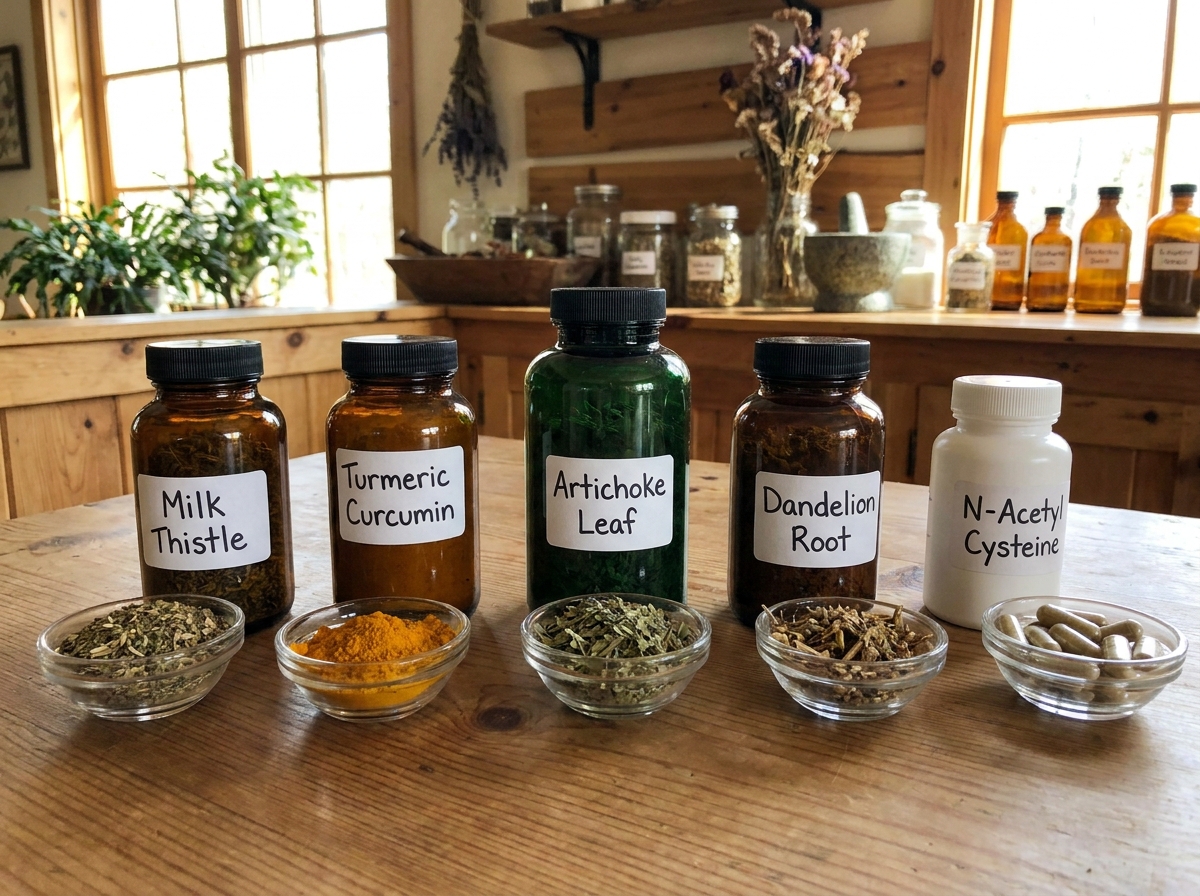
2Curcumin (Turmeric) – Potent Anti-Inflammatory
Mechanism: Curcumin, the active compound in turmeric, modulates NF-kappaB and Nrf2 signaling pathways, directly reducing hepatic oxidative stress and triglyceride synthesis within liver cells.
Evidence: A 2023 systematic review found that curcumin significantly lowered liver fat content and improved insulin resistance in patients with fatty liver disease. Clinical trials show improvements in ALT levels and metabolic markers. Explore more on the Liver Detox Guide.
Dosage and Safety: 500 to 1,000 mg per day of bioavailable formulations combined with piperine or phospholipid complexes for enhanced absorption. Avoid if prone to gallstones or on blood-thinning medications.
3Omega-3 Fatty Acids – Essential Lipids for Metabolism
Mechanism: EPA and DHA activate PPAR-alpha receptors, accelerating fatty acid oxidation and lowering hepatic de novo lipogenesis. These essential fats are critical structural components of cell membranes.
Evidence: Mayo Clinic guidelines note that omega-3 fatty acids reduce liver triglycerides and improve lipid panels, with benefits scaling alongside consistent intake. Meta-analyses confirm modest but meaningful improvements in liver fat reduction.
Dosage and Safety: 1 to 2 grams of combined EPA and DHA daily. Choose molecularly distilled, third-party tested fish oil or algae-based alternatives for vegan users.
4Vitamin E – Targeted Antioxidant Therapy
Mechanism: Alpha-tocopherol scavenges free radicals within lipid membranes, directly protecting hepatocytes from peroxidation and oxidative damage.
Evidence: The landmark PIVENS trial demonstrated significant histological improvement in non-diabetic NASH patients receiving vitamin E therapy. EASL clinical guidelines recommend it selectively under medical supervision for specific patient populations.
Dosage and Safety: 800 IU per day of natural d-alpha-tocopherol. Not recommended for diabetic patients or those with advanced fibrosis due to potential risks including increased stroke and prostate cancer risk at high doses. Use only under physician oversight.
5Berberine – Insulin Sensitizer and Lipid Regulator
Mechanism: Berberine activates AMPK, mimicking metformin’s metabolic effects. It improves glucose disposal, enhances LDL clearance, and supports overall metabolic health.
Evidence: Recent JAMA Network Open randomized trials confirm strong lipid and glycemic control benefits. However, the same study found berberine did not significantly reduce liver fat compared to placebo, though LDL cholesterol and CRP markers did improve. Best suited for patients with metabolic MASLD phenotypes.
Dosage and Safety: 500 mg taken two to three times daily before meals. May interact with diabetes and hypertension medications. Monitor blood sugar closely during use.
Expert Guidance for Maximum Absorption
- Take with fats: Curcumin, Vitamin E, and Omega-3 fatty acids are fat-soluble. Always consume with meals containing healthy oils for optimal bioavailability.
- Verify standardization: Seek products with third-party certifications from USP, NSF, or Informed-Choice to avoid contaminants and ensure potency.
- Cycle strategically: Berberine and high-dose Vitamin E are best utilized in eight to twelve week protocols under medical oversight, with periodic reassessment.
Step-by-Step Guide to Using Liver Supplements Safely
- Establish baseline testing: Obtain fasting lipid panel, HbA1c, ALT, AST, and an ultrasound or FibroScan before beginning any supplement protocol.
- Introduce one supplement at a time: Begin with a single supplement and wait two weeks before adding another. This allows you to monitor tolerance and track biomarker changes accurately.
- Verify product quality: Cross-reference supplement brands with the NIH Office of Dietary Supplements database and look for GMP certification on packaging.
- Align with nutritional foundations: Adopt a Mediterranean-style eating pattern. Reduce added sugars and refined seed oils by at least seventy percent for meaningful liver impact.
- Re-evaluate at three months: Retest bloodwork after twelve weeks. Adjust dosages or discontinue supplements based on clinician feedback and observed results.
Proven Benefits Backed by Clinical Data
- Reduced hepatic inflammation through downregulation of TNF-alpha and IL-6 cytokine pathways
- Improved insulin sensitivity reflected in lower fasting glucose and HOMA-IR scores
- Enhanced fat oxidation leading to accelerated triglyceride clearance from hepatocytes
- Cellular protection via increased glutathione synthesis and hepatocyte membrane stabilization
Realistic Case Study
Common Mistakes and Myths About Liver Detox
Frequently Asked Questions
Omega-3 fatty acids combined with curcumin demonstrate the strongest clinical evidence for reducing liver triglycerides and hepatic inflammation in patients with metabolic-associated steatotic liver disease.
Most clinical trials show measurable improvements in liver enzymes, specifically ALT and AST, within eight to twelve weeks of consistent supplement use alongside dietary modifications.
No. Milk thistle is classified as a dietary supplement. The FDA does not approve supplements for treating diseases. However, extensive clinical research supports its safety profile and hepatoprotective properties.
Berberine significantly improves metabolic markers and insulin resistance. However, a 2024 JAMA Network Open trial found it does not substantially reduce liver fat without concurrent weight loss and dietary changes.
Generally no. High-dose vitamin E may increase cardiovascular risk in diabetic patients. Discuss safer alternatives such as silymarin or omega-3 fatty acids with your treating physician.
Standardized milk thistle, omega-3 fatty acids, and curcumin are considered safe for long-term daily use. Berberine and high-dose vitamin E should be cycled or used exclusively under medical supervision with periodic monitoring.
Begin Supporting Your Liver Naturally
Supplements deliver their greatest impact when paired with a structured nutritional strategy. Access our comprehensive meal plans, detox-friendly recipes, and daily tracking tools to accelerate your results.
Download Free 7-Day Liver Detox GuideTrusted by over 12,000 readers exploring the liver detox protocol to clear fatty liver.
Conclusion
Milk thistle, curcumin, omega-3 fatty acids, vitamin E, and berberine offer scientifically validated support for managing fatty liver disease. These supplements do not replace foundational health habits, but they significantly accelerate liver recovery when used correctly alongside diet and exercise.
Begin with one high-quality supplement, prioritize whole-food nutrition, and track your biomarkers regularly. For personalized guidance, review our author credentials or explore the complete Liver Detox Guide.
Last Updated: May 2026 | Medically Reviewed | Evidence-Based Sourcing

What if your fatigue, brain fog, and digestive issues weren’t “normal”… but a sign your body is overloaded and needs a reset?
“Your liver controls more of your health than you think. That discovery changed everything.”
For years, Achraf Mojih lived exactly that reality — constant low energy, poor digestion, and a feeling that something just wasn’t right. His journey from chronic fatigue to vibrant health led him to discover the powerful role of liver function in overall wellness.